
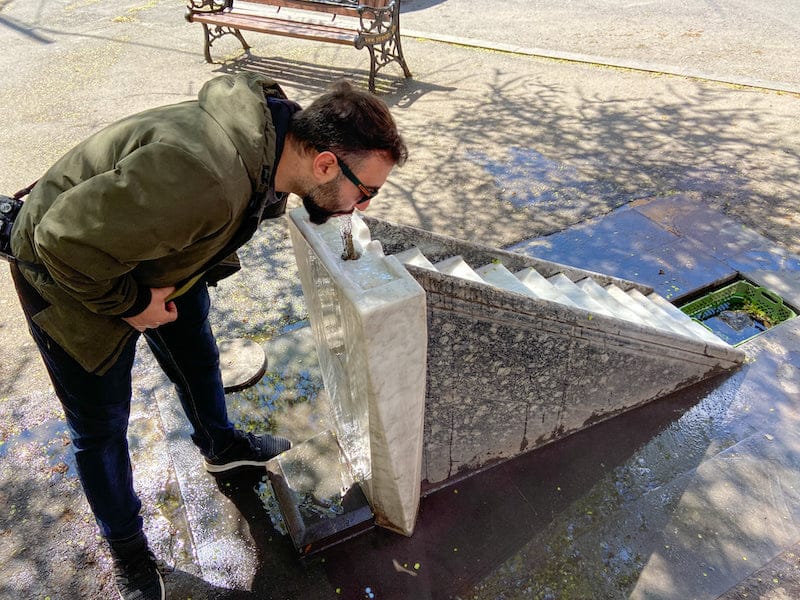
Pulpulaks and Public Life: How a Simple Fountain Shapes Armenian Communities
In Armenia, water flows not just from rivers and lakes, but from the very culture and heart of its people. One of the most iconic and quietly powerful examples of this is the pulpulak — a public drinking fountain that dots the streets, parks, and squares of nearly every town and village in the country. These fountains may appear modest in form, but their impact on public life is anything but small.
Bringing People Together
Pulpulaks naturally draw people. Whether it’s someone pausing on their morning walk, a child on their way home from school, or an elderly neighbor out for fresh air, these fountains offer more than just hydration. They offer a chance to connect.
Conversations often begin here: a shared greeting, a question about the weather, a quick chat about neighborhood news. In villages, pulpulaks are often central to community life. They function like informal town squares where generations meet and stories are passed on. It’s this role as a social connector that elevates the pulpulak from a mere utility to a symbol of community.
Public Health and Accessibility
Access to clean drinking water is a basic human right, and pulpulaks help fulfill that in Armenia. They are strategically located in areas with high foot traffic, ensuring that anyone—regardless of age, income, or background—can quench their thirst at no cost. This is especially vital in the summer months, when hydration becomes a public health priority.
For visitors, the pulpulak offers a practical benefit as well. Tourists exploring Armenia often remark on the abundance of free, clean water, a rare and appreciated feature in many parts of the world. This not only improves the visitor experience but also contributes to sustainable tourism by reducing the demand for bottled water.
Sustainability in Action
Pulpulaks are quietly promoting environmental consciousness. In an age where single-use plastics pollute land and sea, these fountains offer an alternative that’s been around for generations. By encouraging the use of reusable bottles and offering free water refills, pulpulaks help reduce plastic waste.
Moreover, their design—often without mechanical parts or buttons—means minimal maintenance and energy use. The constant flow of water may seem wasteful at first glance, but it serves a purpose: preventing stagnation and maintaining freshness. In many areas, this water is sourced sustainably from local springs.
Cultural Education and Heritage
For many Armenians, pulpulaks are a source of pride. They are tied to national identity and cultural memory. Children grow up drinking from them, adults share their histories, and elders remember who built which fountain and why. Some are constructed in memory of loved ones, with engraved dedications that keep their names alive in the community.
This makes pulpulaks an important educational tool. Schools often use them as conversation starters for discussions on heritage, generosity, environmental responsibility, and civic pride. Walking tours and cultural excursions now include stops at notable pulpulaks, teaching both locals and tourists the deeper significance of these fountains.
Modern Tools for Ancient Wisdom
New generations are finding ways to connect pulpulaks to the digital world. Apps and websites now map pulpulak locations, helping users navigate to the nearest fountain and even report maintenance issues. This marriage of tradition and technology ensures that pulpulaks remain not just relevant, but essential in a modernizing society.
Tech-savvy initiatives are also leading to local projects aimed at adopting or restoring neglected pulpulaks. Communities come together to clean, paint, or renovate a fountain, breathing new life into old structures and reinforcing the shared responsibility of public goods.
A Model Worth Replicating
The success and symbolism of pulpulaks could inspire similar projects in other parts of the world. As cities grapple with climate change, water scarcity, and the health implications of plastic use, public fountains like these offer a practical, low-cost, and culturally enriching solution.
Pulpulaks remind us that urban design can be human-centered. A simple structure, thoughtfully placed and maintained, can foster health, environmental awareness, cultural pride, and community interaction all at once.
Conclusion: The Quiet Power of Generosity
The pulpulak may not shout for attention, but its presence is deeply felt. It quenches thirst, nurtures community, and speaks to the enduring Armenian value of generosity—giving freely, without expectation. In a world that often emphasizes private over public, pulpulaks are a quiet but powerful reminder that some of the best things in life are meant to be shared.
Whether you’re a local walking through your neighborhood or a visitor discovering Armenia for the first time, stopping at a pulpulak is more than a practical act—it’s a small ritual of connection to place, people, and tradition.