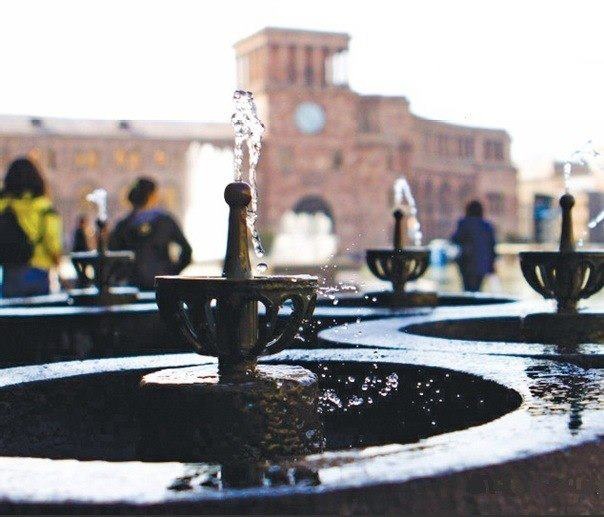
Cultural heritage
Pulpulaks are woven into Armenian identity. From ornate cast-iron fountains installed during the Soviet era to stone-carved springs in mountain villages and sleek modern installations on Yerevan’s Northern Avenue, they represent a centuries-old commitment to shared public water.
Many of the oldest pulpulaks were built as acts of philanthropy — merchants, civic leaders, and communities investing in free water for everyone. They remain symbols of hospitality and collective responsibility.
Water access & sustainability
Access to clean drinking water is recognised as a fundamental human right by the United Nations. It is also central to Sustainable Development Goal 6: ensuring availability and sustainable management of water and sanitation for all by 2030.
Public fountains are one of the most direct expressions of this goal — they provide free, clean water to anyone regardless of income, reduce single-use plastic bottle consumption, and lower the carbon footprint of staying hydrated in cities.
Yet fountains are vanishing. Underinvestment, neglect, and the rise of bottled water have left many pulpulaks broken or forgotten. Mapping them is the first step to protecting them.
Environmental impact
A single public fountain can eliminate thousands of plastic bottles per year from a neighbourhood. Armenia produces significant plastic waste from single-use water bottles — the same bottles that end up in the Hrazdan and Araks rivers.
By making existing fountain infrastructure visible and accessible, Pulpulak encourages residents and tourists alike to carry a reusable bottle and use the free water that’s already there.
Why we built this
Pulpulak was founded by Tadeh Krikorian out of a simple frustration: there was no reliable way to find working public fountains in Yerevan. The city has hundreds of them, but no map.
Version 1 was a basic crowd-sourced list. Version 2 — what you’re using now — is a full open-source platform with a live map, community submissions, ratings, and a public API.
The data
Every fountain has been verified by a human. The original dataset was migrated from pulpulak.com v1 without data loss. New fountains are reviewed before appearing on the map. All data is freely available via the public GeoJSON API.
Open source
Pulpulak is fully open source. Fork it for your city — only the seed data is Armenia-specific.
View on GitHubContact
Questions or collaborations? Open an issue on GitHub or email hello@pulpulak.com.