
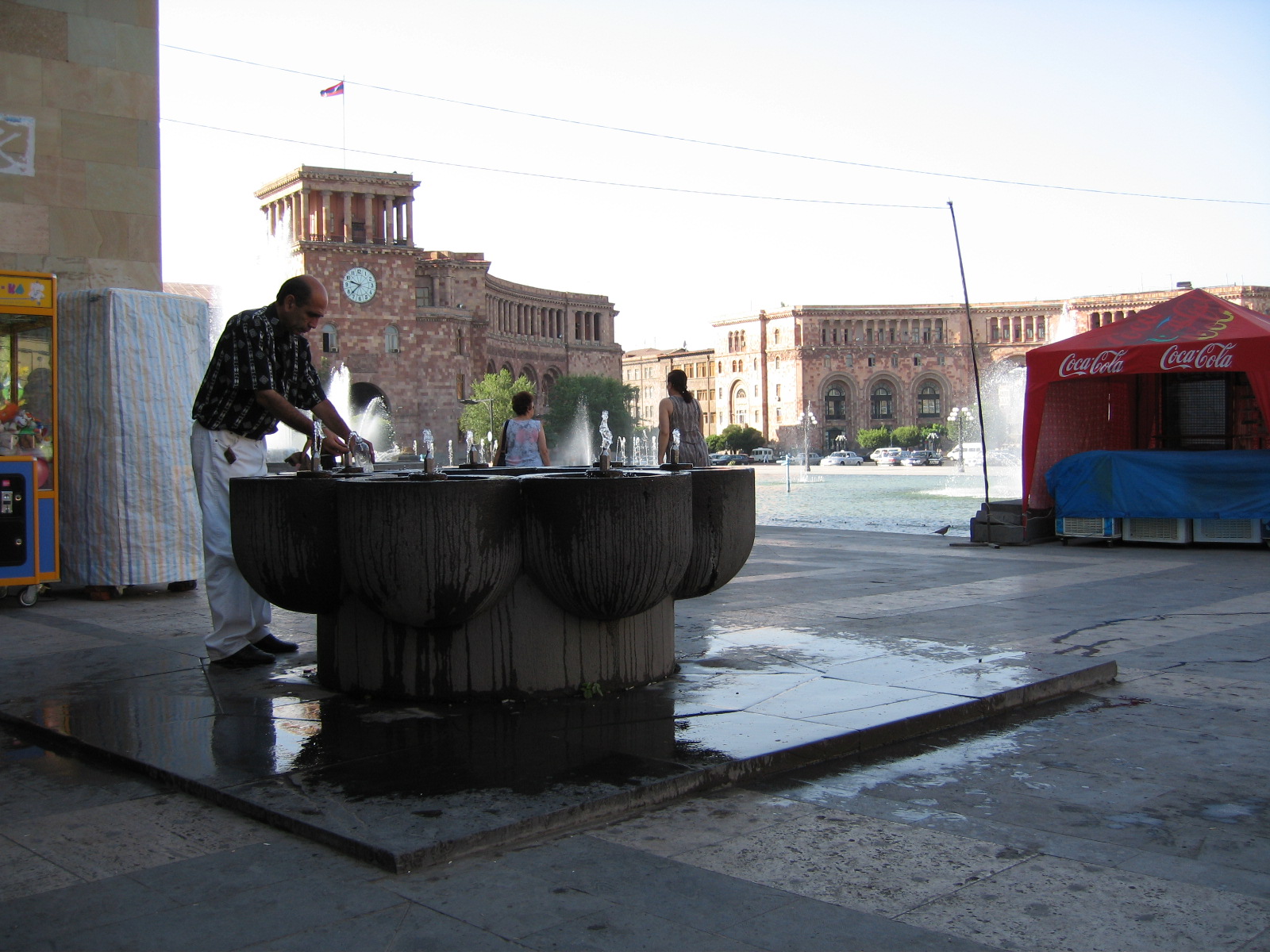
The Heart of Armenian Streets: The Story of the Pulpulak
In the heart of every Armenian city, town, and village, there stands a modest yet deeply significant feature: the pulpulak. These traditional public drinking fountains, made of stone and often found flowing day and night, are not just a source of hydration. They are cultural touchstones, symbols of community, and reminders of a time-honored Armenian value—generosity.
A Symbol Steeped in History
The word “pulpulak” is derived from the Armenian onomatopoeic word “pul-pul,” mimicking the sound of bubbling water. These fountains date back centuries and have long been tied to Armenia’s reverence for nature and communal living. The tradition began with simple stone basins collecting spring water, and over time, they evolved into more elaborate structures found throughout public areas.
In the early 20th century, pulpulaks became more widespread in urban environments, particularly in Yerevan, where the first official fountains were installed. Their growth mirrored Armenia’s modernization, yet they remained rooted in cultural tradition. Unlike Western-style fountains, pulpulaks were designed not for aesthetics alone, but to serve a vital need—free, clean water accessible to all.
Design with Purpose
What makes the pulpulak remarkable is its simplicity. Most are constructed from local volcanic tuff stone, a material deeply connected to Armenian identity. Water typically flows in a gentle arc, designed so people can drink directly without needing cups. This not only enhances hygiene but also encourages people to pause, bow slightly, and drink—a subtle yet powerful gesture of humility and respect.
The constant flow of water serves a practical purpose as well. It ensures that the water remains fresh and uncontaminated, reducing the risk of bacteria buildup. Excess water is collected and drained underground, preventing stagnation and keeping the surrounding area clean.
A Tribute to Loved Ones
Pulpulaks are often more than just fountains; many are built in memory of loved ones. Families may commission a pulpulak as a tribute to a deceased relative, their name inscribed on a small plaque. In Armenian tradition, offering water in someone’s name is one of the most honorable and generous acts one can do. Drinking from a memorial pulpulak is, in a way, paying respect to the deceased—a moment of shared remembrance between stranger and loved one.
Modern Relevance in a Digital Age
In today’s world, where bottled water consumption contributes heavily to plastic pollution, pulpulaks have regained prominence for a different reason: sustainability. Locals and tourists alike are turning to pulpulaks as eco-friendly hydration stations. Many now carry reusable water bottles, knowing that they can refill them for free at one of the hundreds of fountains across the country.
Tech-savvy initiatives have emerged as well. Several apps and websites now map pulpulak locations, allowing users to find the nearest one wherever they are in Armenia. This fusion of tradition and technology is helping to keep the pulpulak relevant in the 21st century.
A Community Connector
Perhaps most importantly, pulpulaks serve as communal hubs. In villages, they are often the places where neighbors greet each other, children play, and elders sit nearby to chat. They are gathering spots—unofficial meeting points that blend utility with a sense of belonging. They bring people together, creating moments of connection over something as simple and essential as water.
In a world that often feels rushed and disconnected, the pulpulak offers a gentle reminder to slow down, share, and remember. It’s a lesson in humanity, carved in stone and flowing with life.
Preserving a National Treasure
Despite their cultural importance, some pulpulaks face neglect due to urban development, water supply issues, or lack of maintenance. Community initiatives and NGOs have started restoration projects to preserve these fountains, ensuring they continue to serve future generations.
Education is also key. Schools and local organizations are incorporating the story of the pulpulak into environmental and cultural lessons, teaching children about the value of shared resources and the importance of giving back to the community.
Conclusion: More Than Just Water
To the casual observer, a pulpulak may seem like a simple water fountain. But to Armenians, it is a symbol of who they are—a reflection of a culture that values hospitality, community, and the sacredness of nature. It is a reminder that the simplest things in life can be the most meaningful.
Next time you pass a pulpulak, take a sip. Pause. Reflect. You’re participating in a centuries-old tradition that connects people across time and place, one drop at a time.